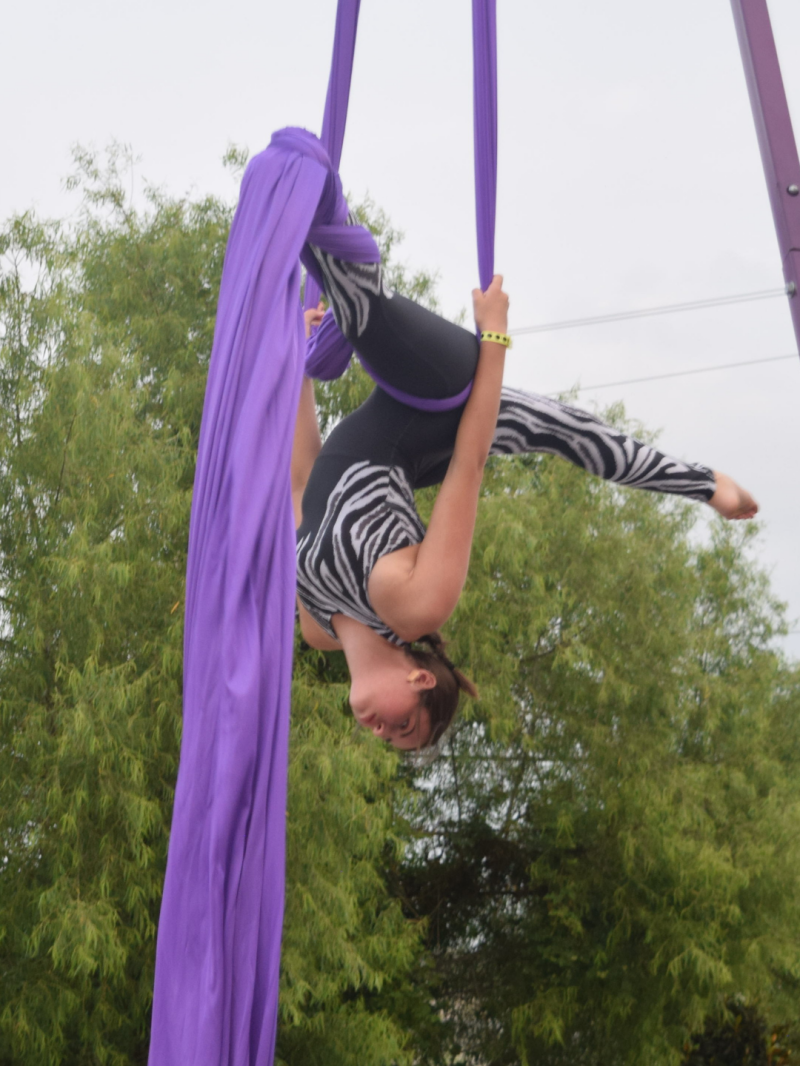
As aerial athletes, we demand extraordinary things from our bodies. Every climb, every skill, every hold requires not just technique and courage, but also incredible grip strength and muscular endurance. Yet many aerialists unknowingly sabotage their performance with choices made in the kitchen, not the studio.
I'm writing this as we head into the holiday season—a time when temptation lurks around every corner, from Christmas cookies to New Year's Eve sparkling sugary drinks. Whether you're training casually in our recreational classes or pushing hard for competitions and performances, understanding how sugar and processed foods affect your body can be the difference between ramping up your skill level and watching your hands give out mid-routine.
The Inflammation Connection: Why Your Hands Can't Hold On
Let's talk about what happens inside your body when you consume excess sugar and processed foods. Research shows that reducing simple sugar consumption helps decrease inflammation and improve overall health outcomes. When you eat foods high in added sugars or ultra-processed ingredients, your body triggers an inflammatory response—essentially sounding an internal alarm system because it's overwhelmed.
While acute inflammation after training is beneficial for strength gains and recovery, chronic inflammation from poor nutrition can manifest as overtraining symptoms and chronic injuries like tendinitis—conditions that plague many aerialists.
Think about it: your forearms are screaming after that hour-long silks session. Your body wants to repair those microtears in your muscles and strengthen your connective tissues. But if you're feeding it inflammatory foods, you're essentially trying to put out a fire with gasoline.
Chronic inflammation can lead to delayed recovery times, increased muscle soreness, and decreased athletic performance. For us aerialists, this means weaker grips, longer recovery between training sessions, and increased risk of those nagging overuse injuries we all dread.
The Direct Hit to Your Grip Strength
Here's where it gets really interesting for us as aerial athletes: research has found a direct link between sugar intake and grip strength decline. Studies show that higher intake of solid added sugars, particularly from sources like bread and biscuits, is associated with declined handgrip strength in adults.
When you consume excess sugar, several things happen that directly impact your ability to hold onto the apparatus:
Blood Sugar Crashes: After consuming large amounts of simple sugars, your body releases insulin to help cells use the excess glucose, which causes a drop in energy levels. Imagine trying to nail that challenging sequence when you're in the middle of a sugar crash—your brain feels foggy, your muscles feel weak, and your grip simply won't cooperate.
Impaired Muscle Function: Research demonstrates that hyperglycemia is associated with lower relative grip strength. Consistently high blood sugar levels interfere with how your muscles function at a cellular level.
Reduced Recovery: Studies on athletes show that sucrose intake can block the positive effects of exercise on grip strength improvement. All those conditioning drills we do? Their effectiveness gets diminished when paired with a high-sugar diet.
The Processed Food Problem
It's not just about sugar. Processed foods often contain added sugars, artificial ingredients, and unhealthy fats that worsen inflammation in the body. These foods include:
- Energy drinks and sodas
- Fried foods and fast food meals
- Processed meats and packaged snacks
- Candy and baked goods with refined flour
- Protein bars loaded with artificial ingredients
Foods high in saturated and trans fats slow down digestion, leaving you feeling heavy and sluggish, while also negatively impacting cardiovascular health. When you're trying to invert or climb, that sluggish feeling becomes a serious performance barrier.
For endurance athletes (which we absolutely are during those long training sessions), ultra-processed foods and sports supplements with additives can harm gut microbiota and impair intestinal barrier function, leading to gastrointestinal complications that cause underperformance.
Navigating the Holiday Season: Strategies for Every Aerialist
The holidays don't have to derail your training. Whether you're preparing for an upcoming performance or competition or just maintaining your skills through the season, here are evidence-based strategies to stay strong:
For Everyone: The Foundation
1. Don't Save Up Calories
Restriction before holiday meals can cause you to be over-hungry, leading to binging and uncomfortable fullness. Eat your regular meals throughout the day—your body needs that fuel for recovery from training, and you'll make better choices at gatherings when you're not ravenous.
2. Plan Your Plate
Use a smaller plate and add colorful fruits and vegetables—you shouldn't look down and see only brown foods. Your body appreciates the added fiber and antioxidants, especially during cold and flu season when training around many people.
3. Hydrate Strategically
Avoid drinking your calories in sugary beverages. If you choose to have alcohol (for those of age), remember that moderation is better for recovery and performance than shocking your system with extreme intake—dehydration carries day to day and disrupts digestive function and blood sugar regulation.
4. Eat Mindfully
Set your fork down between bites and focus on conversations with loved ones—by slowing down, you help your stomach and brain communicate fullness. Aim to walk away from the table at 75-80% full. The food isn't going anywhere.
5. Only Indulge in What You Love
Only eat treats if you actually like them and enjoy them while having them. Don't waste calories on the mediocre cookies at a party when you could save room for your grandmother's legendary pie.
For Competition and Performance Team: Elevated Strategies
Pre-Performance Nutrition Windows
In the 2-4 weeks leading up to competitions or major performances, tighten your nutrition even further:
- Eliminate processed foods entirely—stick to whole foods that support recovery
- Focus on whole foods that provide essential nutrients your body needs to perform at its peak
- Time your carbohydrate intake around training sessions for optimal energy without the crash
Strategic "Cheats"
If you decide to indulge, take only half the amount you would normally eat to limit damage while still enjoying favorites. Schedule treats post-training when your body can better utilize the glucose for glycogen replenishment.
Recovery Focus
Remember that it only takes a couple weeks to form a new habit, one that can affect your training for six weeks or more. Every choice matters when you're peaking for performance.
For Recreational Students: Building Sustainable Habits
The Long Game
You're building a practice that will serve you for years. Focus on developing intuitive eating to help you avoid big spikes in hunger and learn to recognize when you're satisfied versus still hungry.
Add Movement Traditions
If most holiday activities center around food, suggest new traditions that include movement—a walk before dinner helps create balance. Maybe practice a few aerial moves or stretches with family!
Balanced Approach
Remember that context matters—some foods depend on circumstances for whether they're beneficial. A sweet treat after an intense training session serves a different purpose than the same treat after sitting on the couch all day.
What to Eat Instead: Fueling Aerial Excellence
Focus on anti-inflammatory foods that support grip strength and recovery:
Protein Sources: Lean meats, fish (especially salmon for omega-3s), eggs, Greek yogurt, legumes
Complex Carbohydrates: Sweet potatoes, brown rice, quinoa, oats, whole grain bread
Colorful Vegetables: Dark leafy greens, broccoli, peppers, beets—aim for variety
Healthy Fats: Avocados, nuts, seeds, olive oil
Anti-inflammatory Superstars: Berries, tart cherries, turmeric, ginger, green tea
Berries are high in vitamins, fiber, and antioxidants while being relatively low in sugar—cherries naturally reduce inflammation, making them perfect post-training snacks.
The Bottom Line
As aerialists, our sport demands incredible strength, especially in our hands and forearms. The connection between nutrition and grip strength isn't just theoretical—it's measurable, scientifically proven, and directly impacts your ability to progress in your practice.
This holiday season, I challenge each of you to be mindful of how your food choices affect your training. Notice how you feel after eating certain foods. Pay attention to your grip endurance in class. Experiment with reducing processed foods and added sugars, and watch what happens to your performance.
For our competition and performance teams: this is non-negotiable. Your commitment in the studio must extend to the kitchen.
For our recreational students: start building awareness now. Small changes compound over time.
Remember, I'm not asking for perfection. I'm asking for consciousness. Enjoy your holidays, savor special treats, spend time with loved ones. But make choices that support the strong, capable aerialist you're working so hard to become.
Your apparatus is waiting for you. Make sure your grip is ready to meet it.
Train smart. Eat smart. Stay strong.
Have questions about nutrition for aerial training? See me after class or drop me an email. Let's make 2026 your strongest year yet!
Add comment
Comments